


The Infrastructure Sustainability (IS) Rating Scheme, run by the Infrastructure Sustainability Council (ISC), rates the economic, social and environmental performance of infrastructure from planning to operation. We help project teams in Melbourne, Victoria and across Australia plan, model and document the credits that make up an IS rating.
Request a Fee Proposal →Tell us the asset type, capital value, project stage and target rating. We reply within one business day and confirm scope, fee and timeframes at quote.










Most IS ratings start because a client, funder or contract requires one. The rating then becomes a design and documentation exercise that runs alongside delivery. Teams that plan their credits, base cases and modelling early tend to have a smoother path through verification, and fewer surprises when the score comes back.
A target score means little until each credit has an owner, a base case and an evidence plan. We help set that up at the start, so the rating follows the design instead of chasing it.
Energy, carbon and materials credits draw on the same design data. We prepare the modelling and calculations together, so the numbers line up across the submission.
Base cases and assumptions need to be recorded as the design develops. We document them as we go, so the submission is ready when the verifier asks.
The IS Rating Scheme is administered by the Infrastructure Sustainability Council (ISC). It assesses the sustainability of infrastructure assets, networks and portfolios, such as roads, rail, water, energy and civic assets, across their planning, design, construction and operational phases.
There are several rating types. IS Planning (v2.1) covers early planning and options. IS Design & As-Built covers design and construction; v2.2 opened for registration in October 2025, and projects already registered under v2.1 continue under that version. IS Operations (v1.2) rates operating assets over one or three years, and IS Essentials offers a simpler pathway for projects with a capital value of $5 million to $100 million.
Every rating follows the same four steps: registration with the ISC, assessment by the project team, independent verification, and certification. The ISC advises that the final score usually arrives about three months after the rating is submitted, so planning the evidence from the start matters.
Design-stage and as-built ratings for new infrastructure. Version 2.2 updated 25 of 37 credits and removed many mandatory statements to reduce the administrative load on project teams.
Planning ratings for early-stage options, Operations ratings for existing assets, and IS Essentials for projects valued at $5 million to $100 million.
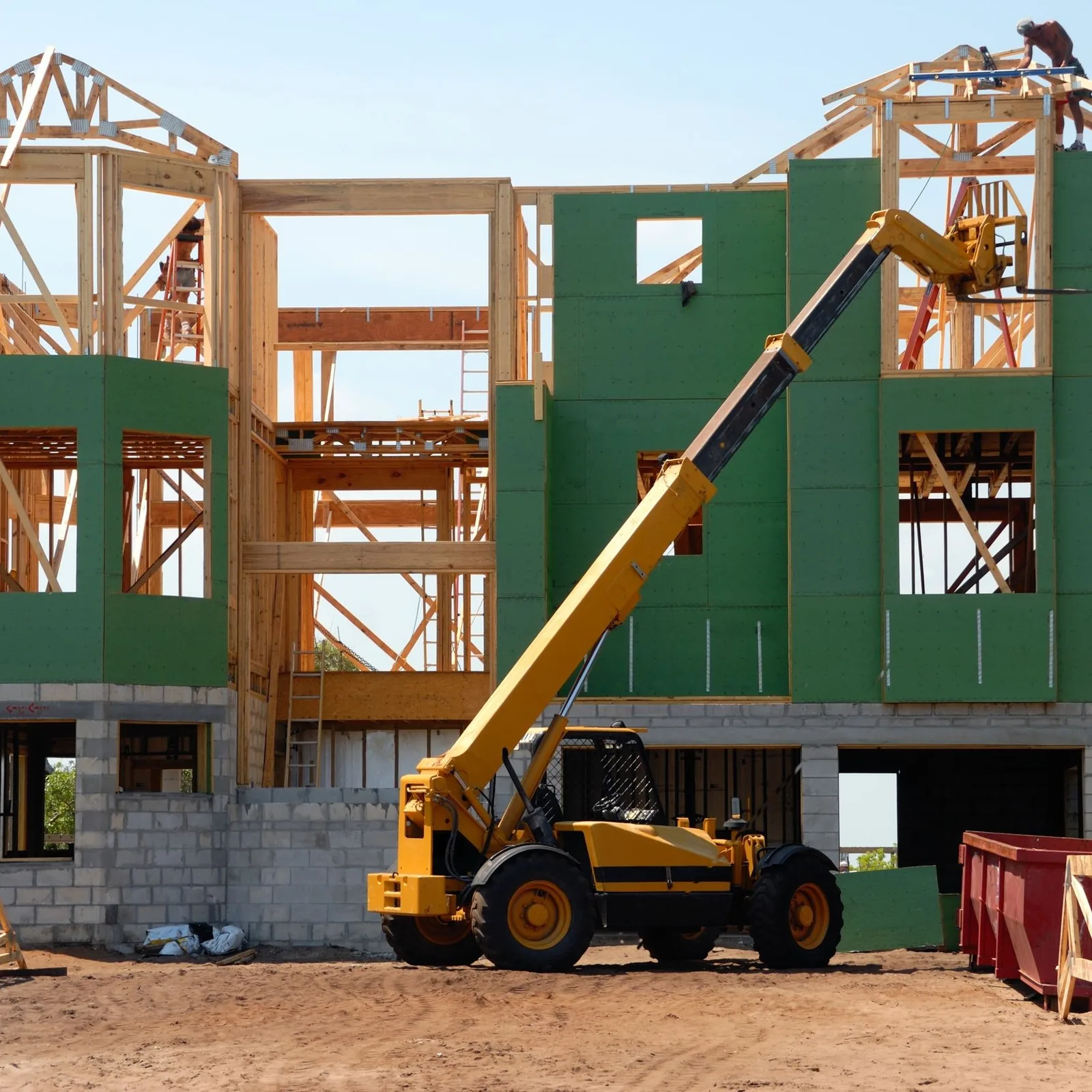
We focus on the technical credits where design decisions and calculations drive the score. Each deliverable states its method, inputs, assumptions and limitations, so verifiers can follow the reasoning and the project team can rely on the result.
A credit-by-credit pathway to the target score, with owners, base cases and the evidence each credit needs.
Base case and design case energy and carbon calculations, prepared in line with the ISC's Energy and Carbon guidance.
Materials footprint and embodied carbon calculations, coordinated with the design team's quantities.
Climate and natural hazard risk assessment that links identified risks to practical design responses.
An IS rating is usually triggered by a client, funder or contract requirement. These are the situations we see most often.
Contractual requirement. We review the target, map the credits that suit the project and set out an evidence plan before design progresses.
Rating type check. We look at the project stage, asset type and capital value and explain whether IS Planning, Design & As-Built, Operations or IS Essentials is the better fit.
Smaller projects. IS Essentials is designed for projects valued at $5 million to $100 million. We help you decide whether it suits your project and your client's requirements.
Version questions. Projects already registered under v2.1 continue under that version. We help you understand what changes under v2.2 and what it means for a new registration.
Energy and carbon. We model the base case and the design case so the reduction claimed is clear, documented and repeatable.
Climate and natural hazard risk. We prepare a structured risk assessment and record how each significant risk is addressed in the design.
Sustainable finance. The ISC notes that IS ratings can support ESG reporting for sustainability-linked loans and green bonds. We help keep the evidence clear and consistent for those stakeholders.
“We need the rating to line up with our Green Star and NCC work.”
Joined-up advice. Where a project includes buildings, we coordinate the IS evidence with Green Star, Section J and upfront carbon work, so the same design data supports every submission.
Asset type, capital value, project stage, target rating and any client or funder requirements. We reply within one business day.
We review the rating type and version, identify the credits we can support and agree an evidence plan with the project team.
Energy, carbon, materials and climate risk work is prepared alongside design development, with base cases and assumptions recorded.
We prepare our credit evidence for the rating submission and respond to verifier questions on the credits we delivered.

An IS rating is a sustainability rating for infrastructure issued by the Infrastructure Sustainability Council (ISC). It assesses the economic, social and environmental performance of infrastructure assets, networks and portfolios across planning, design, construction and operation.
The ISC currently lists IS Planning v2.1, IS Design & As-Built v2.1 and v2.2, IS Operations v1.2, and IS Essentials. IS v2.2 Design & As-Built opened for registration on 28 October 2025. Check the ISC website for the latest versions before registering.
IS ratings are usually required by government clients, delivery authorities, funders or contracts for major infrastructure projects. Some proponents also pursue a rating voluntarily to benchmark sustainability performance or support sustainable finance.
IS Essentials is an IS rating for projects with a capital value of $5 million to $100 million. It covers the design and construction phases and is designed to be simpler to apply than a full Design & As-Built rating.
An IS rating runs alongside project delivery, from registration through assessment, verification and certification. The ISC advises that the final score is usually confirmed about three months after the rating is submitted for verification. Our own timeframes are confirmed at quote, and fast-track is available for urgent projects.
We focus on the technical credits where modelling and calculations drive the score, including energy and carbon, materials and upfront carbon, and climate and natural hazard risk. We work with your IS Accredited Professional and project team on the wider submission.
The asset type, capital value, project stage, target rating and rating version, plus any client or funder requirements and the current design documentation.
Energy, carbon and daylight modelling is done by our own team, so the numbers behind your credits are consistent and traceable.
Each deliverable sets out the method, inputs, assumptions and limitations, giving verifiers and project teams peace of mind.
Where infrastructure includes stations, depots or civic buildings, we coordinate IS evidence with Green Star, Section J and upfront carbon work.
We engage during planning and design development, while there is still time for the rating to influence the design.
Timeframes confirmed at quote; fast-track available for urgent projects.
Melbourne-based, servicing Australia-wide, with a practical understanding of Victorian infrastructure and planning requirements.


