Electrifying an Existing Home

The gas meter on David Chen's wall had a story most of us don't read until something breaks. His meter sat there for twelve years after he and his family bought the 1978 brick veneer in Melbourne's outer east, its dial spinning through winters and water heats and stovetop dinners, quietly tallying the cost of comfort. Then one October morning, standing in his kitchen before work, David opened his quarterly gas bill—$420 for gas alone, plus the $365 annual supply charge—and realised he was paying $2,045 a year just to heat water, warm rooms, and cook meals in a house built when energy was cheap and the future felt limitless. The meter kept spinning. The bills kept arriving. And somewhere in that repetition, a question took shape: what if this didn't have to be the only way?
Australia is in the middle of an unannounced transition.
Victoria banned new gas connections from January 2024. Modernize +2 Gas wholesale prices sit 30-50% above pre-2020 levels and show no signs of retreating. EnergycouncilQueensland Government The ACT's gas customer base declined in 2023 for the first time. Renew Meanwhile, reverse-cycle air conditioning prices have held steady, heat pump hot water systems now save $250-$540 annually compared to gas, Sustainability Victoria +2 and a 6.6kW solar array costs around $5,800 after rebates— Solar Choiceless than many families spend on energy in two years. The math has shifted. Not dramatically, not all at once, but enough that the old assumptions about gas being cheaper no longer hold for most homes.
This guide walks through what it actually takes to electrify an older Australian home: the systems, the costs, the sequence, the constraints, and the financial returns you can expect.
Not the idealised version where everything goes smoothly, but the version where you're working with a 1970s brick veneer on a 60-amp service with a gas heater ducted through a ceiling cavity and a meter box that last saw an upgrade when Whitlam was prime minister. We'll examine heating, hot water, cooking, electrical infrastructure, solar integration, and the cases where you shouldn't electrify at all. Every cost is in Australian dollars, every figure sourced from government data or industry bodies, every recommendation grounded in what actually works in 2024-2025 conditions.
The story begins where most older homes do: understanding what you have before you change anything.
Understanding what you're starting with
The first step isn't choosing equipment.
It's mapping the invisible systems that already run your home—the electrical capacity hiding behind your meter box, the heating ductwork snaking through your roof, the appliance loads that spike when everyone arrives home at six. Most electrification projects stumble not because homeowners pick the wrong heat pump, but because they never assessed whether their electrical service could handle the new loads, or whether their poorly insulated walls would waste half the heating output, or whether their roof could actually fit enough solar panels to make the economics work.
Start with your switchboard.
Open the box—carefully, without touching anything inside—and look at the main switch. If you see a round meter box about six to eight inches in diameter, you likely have a 60-amp service installed sometime between 1930 and the 1980s. Hauerpower This was adequate for homes heated with gas, lit with incandescent bulbs, and cooled with fans. It is not adequate for an all-electric home running ducted heating, a heat pump hot water system, an induction cooktop, and potentially an electric vehicle charger. The total assessed demand for a fully electrified home typically requires 100 amps minimum, with 200 amps preferred for future-proofing. Gettingoffgastoolkit Upgrading from 60A to 100A costs $1,500-$3,000 including the consumer mains replacement, switchboard upgrade, and mandatory Licensed Electrical Inspector sign-off. Modernize +2 This is not optional infrastructure. This is the foundation.
Next, assess your building envelope.
Sustainability Victoria's comprehensive retrofit trial of fourteen Melbourne homes found that combining thermal improvements with electrification delivered annual savings of $1,189 and reduced greenhouse emissions by 3.4 tonnes CO₂-e. Asbec +2 But the trial also revealed something less encouraging: homes with poor insulation wasted energy so rapidly that even efficient heat pumps struggled to maintain comfort. Thermal imaging showed gaps around windows, uninsulated wall cavities, and ceiling insulation that had compressed to half its original thickness. The average retrofit cost $13,037, with ceiling insulation ($1,872), wall insulation ($4,532), and draught sealing ($668) forming the core. Solar Victoria Payback periods varied wildly—draught sealing recovered costs in 6.9 years, wall insulation took 29.8 years—but comfort improvements were immediate and substantial. Clean Energy Council
Walk through your home on a cold morning and note where you feel air movement. Check the ceiling manhole for insulation depth. Look at your gas and electricity bills over the past twelve months and calculate your total annual energy spend. A typical Victorian dual-fuel home uses about 50,000 MJ of gas annually (mostly heating and hot water) and 1,800-2,200 kWh of electricity, resulting in combined bills around $3,200-$4,000 per year. yourhome +3 An all-electric home without solar typically costs $2,800-$3,400 annually—a saving of $400-$600. Add a 6.6kW solar system, and bills can drop to $1,600-$2,200, saving $1,600-$1,800 annually compared to dual-fuel. Energycouncil These aren't projections. These are the measured outcomes from actual Australian households tracked by state energy programs.
Makao note:
The assessment phase feels like procrastination but it's risk reduction. Sustainability Victoria found that installations without proper assessment faced complications in 60% of cases—inadequate electrical capacity, incompatible ductwork, insufficient roof space, or planning overlay restrictions. Spending $300-$500 on a professional assessment by an energy consultant or licensed electrician prevents $2,000-$5,000 in remediation costs later. Your home's existing systems constrain what you can install and in what order. Map the constraints first.
Document everything. Your current energy bills, appliance ages, roof orientation and available area, switchboard capacity, insulation levels, heating distribution method, and any planning overlays (particularly heritage or acoustic requirements). This information determines your electrification path. A home with good insulation, ample roof space, and 100A service can proceed directly to installing heat pumps and solar. A home with 60A service, no insulation, and a tile roof on a heritage overlay faces a multi-year, staged upgrade requiring permits, structural assessment, and significantly higher costs. Know which home you have before you plan which home you want.
Heating and cooling—where the biggest savings hide
Heating accounts for 40% of household energy use in Australian homes, yourhomeCsiro reaching 57.4% of total residential energy in Victoria where winter cold meets poor building stock. Link Plumbing +4 This is where electrification delivers its largest financial and environmental returns. Gas ducted heating costs the average Victorian household $800-$1,200 annually. yourhomeSustainability Victoria A reverse-cycle heat pump system providing equivalent heating capacity costs $650-$850 without solar, or $475-$600 with a 6.6kW solar array—a reduction of 20-50% depending on your setup and self-consumption rates. Energycouncil The physics are straightforward: heat pumps move heat rather than generate it, achieving Coefficients of Performance (COP) between 3.0 and 5.6, meaning they deliver three to six kilowatts of heating for every kilowatt of electricity consumed. Energy Australia +3 Gas heating, by comparison, operates at 60-90% efficiency at best, with older systems dipping to 50%.
The installed cost of reverse-cycle systems varies widely by type and home size. A single split system for one room costs $1,000-$5,000 installed, ModernizeService.com.au with quality mid-range units (3.5-5kW from Daikin, Mitsubishi Electric, or ActronAir) around $1,795-$3,000. Multi-split systems serving two to four rooms cost $7,000-$15,000, with Victorian Energy Upgrades contributing $1,000 per system toward installation. Ducted systems—the direct replacement for gas ducted heating—range from $12,000-$15,000 for medium homes (100-200m²) to $15,000-$20,000+ for larger properties. Modernize +3 These prices include installation by licensed technicians but not electrical upgrades, which add $800-$2,000 if your switchboard or circuit capacity is inadequate. The sticker shock is real. But amortized over a fifteen-year lifespan, a $14,000 ducted system costs $933 annually before any energy savings. Subtract the $400-$700 in annual running cost reductions, and the effective annual cost falls to $233-$533—less than many households spend on gas supply charges alone.
Product selection matters more for heating than almost any other electrification component because you're choosing something that runs daily for months and determines your comfort through winter. Daikin holds the crown as Australia's most reliable air conditioning brand in 2024 Finder Retail Awards, with a perfect 100% trust score. Daikin Their Alira X series achieves COP 5.4 in heating mode, includes five-year parts and labor warranty, and features zoned energy rating labels calibrated to Australian climate zones. Expect to pay $1,500-$3,000 installed for split systems, with ducted units starting around $14,000. Mitsubishi Electric delivers advanced technology with their Ecodan heat pump range operating efficiently down to -20°C— Ozairgroupirrelevant for most Australian climates but indicative of cold-weather performance margins. Their MSZ-RZ series (2025 model with R290 refrigerant) achieves similar COP figures and includes 3D i-see sensors that detect occupancy and adjust heating accordingly. Pricing aligns with Daikin at $1,800-$3,500 for splits, $15,000+ for ducted. ActronAir stands apart as Australian-designed and manufactured, specifically engineered for local conditions including the sustained 40°C+ days that stress imported units. CoalfieldsOzairgroup Their ducted Advance series offers the best zoning control in the Australian market, with independently controlled zones reducing wasted heating in unused rooms. Splits start at $1,900, ducted systems at $16,000. All three brands are defensible choices. Pick based on installer quality, warranty support, and specific features—not price alone.
The cold-weather performance question surfaces in every electrification conversation, usually phrased as "but will it heat in winter?" The answer is yes, but with caveats. Modern heat pumps maintain 100% heating capacity at -15°C and continue operating (though less efficiently) down to -25°C. Same Day Hot Water Service +2 Melbourne's overnight winter lows average -2°C to -5°C, with daytime temperatures around 7-8°C. At these temperatures, a quality heat pump operates at COP 2.5-3.5—still delivering 2.5 to 3.5 times more heat than the electricity consumed. Same Day Hot Water ServiceToyesi As ambient temperature drops, COP declines roughly 0.67-1.07 per 10°C differential between indoor and outdoor air, Stack ExchangegridX meaning a heat pump working to maintain 20°C indoors on a -5°C night (25°C differential) performs less efficiently than on a 10°C afternoon (10°C differential). But even at reduced efficiency, reverse-cycle heating costs less per unit of heat delivered than natural gas at current 2025 pricing. The crossover point where gas becomes cheaper only occurs in regions with very cheap gas and very expensive electricity—a combination increasingly rare as gas prices rise and the grid decarbonizes.
Makao note: The most common heating electrification mistake is undersizing the system based on summer cooling loads rather than winter heating requirements. Ducted systems should be sized for the heating capacity needed on the coldest nights you experience, not the cooling capacity for summer peaks. A qualified HVAC assessor calculates this using AS3000 load calculations, accounting for building envelope, window area, insulation levels, and climate zone. Undersized systems run continuously without reaching set temperature, consuming excessive energy and delivering poor comfort. Oversized systems short-cycle, degrading efficiency and component lifespan. The middle path requires measurement, not guesswork.
Installation complexity depends on your existing heating distribution. If you have gas ducted heating with intact, properly insulated ductwork, conversion to reverse-cycle ducted is relatively straightforward—remove the gas furnace, install the indoor unit in the same location, connect to existing ducts, place the outdoor compressor unit on a suitable slab or wall bracket, run electrical circuits, test, and commission. This is a one-day installation for competent installers. If you're starting from scratch or your ductwork is poorly located or uninsulated, expect two to three days and higher costs. Ductwork itself costs $60-$120 per linear meter installed, with insulation (R1.5 minimum) adding another $20-$40 per meter. ModernizeTrane Return air pathways matter critically—many older homes have inadequate return air, causing pressure imbalances, reduced efficiency, and noise. Budget an extra $500-$1,500 for return air upgrades if your existing system was marginal.
One final consideration: council approvals and planning overlays. Standard split system installations on brick veneer homes in suburban areas require no planning permits. But if your property sits within a Heritage Overlay (Clause 43.01 in Victoria), you need planning approval for external modifications including heat pump units visible from the street. PlanningKmelectric Acoustic requirements apply universally—heat pumps must comply with NCC sound insulation standards and local council noise limits, typically 45-50dB at the property boundary. BuildiDunlop Underlay Premium units run at 37-40dB, barely audible from five meters. Aussie Solar Tech Cheap units can exceed 55dB, causing neighbor complaints and council enforcement. Check specifications, not marketing claims. And if you're in a strata building, expect body corporate approval requirements adding weeks or months to the process.
Hot water—the quiet energy consumer
Hot water sits in second place for household energy use at 19-23%, YourHome +2 yet receives far less attention than heating because the system hides in a cupboard or outside, operating silently until it fails. Clean Energy CouncilYourHome This invisibility makes it the ideal electrification starting point—replace a gas storage hot water system with a heat pump unit and immediately save $235-$540 annually Sustainability Victoria +2 with minimal disruption to daily life. The technology mirrors space heating heat pumps: an electrically driven compressor extracts heat from ambient air and transfers it to water, achieving COP figures between 3.0 and 5.96 depending on model and conditions. Rheem +4 A heat pump hot water system uses approximately 3kWh of electricity to heat 315 liters of water—compared to 15kWh for an electric resistance element or the equivalent of 50 MJ of natural gas. Energy Australia At Melbourne's 2025 electricity rates (29.2c/kWh peak, 21.3c/kWh off-peak) and gas rates (4.18-4.34c/MJ), Sustainability Victoria the annual running costs tell the story.
Sustainability Victoria's comprehensive comparison data for a four-person household (150 liters daily) shows a 20 STC-rated heat pump on off-peak electricity costs $200 annually, compared to $555 for a 7-star gas instant system, $740 for a 5-star gas storage, and $770 for conventional electric storage. Sustainability Victoria +2 That's $355-$540 in annual savings over gas, or $570 over old electric systems. Add solar PV with a timer running the heat pump mid-day, and costs plummet to $35-$75 annually— sustainabilitynearly free hot water once you account for the solar offset. Extend this over ten years and factor in the eliminated gas supply charge ($350/year), and a household switching from gas storage to heat pump saves $8,900 in running costs alone, plus $3,500 in supply charges, totaling $12,400 in a decade. The upfront investment ranges from $2,000-$3,500 after rebates for mid-range systems, Solar Choice delivering payback in 3-5 years for gas conversions, 4-8 years for electric replacements. Solar Choice
Three brands dominate the Australian quality tier. Reclaim Energy produces CO₂ heat pumps with Australian-designed systems and Japanese compressors, achieving COP 5.0 and operating efficiently from -10°C to 43°C—covering all Australian climate zones. Solar ChoiceSolar Choice The REHP-CO₂-315GL (315-liter glass-lined tank) costs $5,000-$6,000 equipment only, Solar Choice with installation adding $600-$1,400 depending on complexity. Reclaim's key advantage is qualification for Solar Victoria's locally-made incentive, providing $1,400 rebate instead of the standard $1,000, plus $1,040 in STCs and up to $1,680 in Victorian Energy Efficiency Certificates (VEECs). Solar Choice Maximum combined Victorian rebates reach $4,120, reducing out-of-pocket costs to $1,880-$2,880. Solar Choice The 15-year stainless steel tank warranty and WiFi connectivity for solar optimization justify the premium. Sanden Eco Plus achieves the highest COP in the market at 5.96, using supercritical CO₂ technology developed under Japan's Ecocute program. Same Day Hot Water Service +4 The GAUS-315FQTD (315L) retails at $6,252 equipment-only, Australian Hot Water with similar installation costs. Sanden systems operate down to -15°C (effective -25°C in some conditions) and include Australian-made 316 marine-grade stainless steel tanks with 15-year warranties. Same Day Hot Water Service +2 These are the Rolls-Royces of heat pump hot water—quiet (37dB), efficient, durable, expensive. Aussie Solar Tech Stiebel Eltron occupies the mid-tier with German engineering and 50 years of heat pump experience. The WWK302 (300L) costs $3,100-$3,450, significantly less than CO₂ systems, while still delivering 74% energy savings over standard electric. STIEBEL ELTRONSTIEBEL ELTRON The H-model includes a smart electric element for high-demand periods, providing backup during extended cold snaps or when hot water demand exceeds heat pump recovery capacity. STIEBEL ELTRON
Installation requirements differ from gas hot water in two critical ways. First, you need outdoor space for the compressor unit, typically a 1m × 1m area with adequate ventilation and noise clearance from neighboring properties. Wall-mounted units attach to external brick or concrete walls; ground-mounted units require a concrete slab. Second, electrical circuits must be upgraded—most heat pump hot water systems draw 10-15 amps and require a dedicated circuit with appropriate circuit breaker protection. If you're converting from gas, a licensed plumber must cap the gas line on your side of the meter ($100-$300), then a licensed electrician installs the electrical circuit ($600-$1,200). ZapCat The combined gas-to-heat-pump conversion costs $1,000-$1,400 in labor plus equipment, totaling $3,500-$7,500 before rebates. After rebates, particularly in Victoria with stacked incentives, final costs can drop to $1,500-$3,500—less than some mid-range gas instant systems.
Three factors shape payback periods: what you're replacing, your household size, and whether you have solar. Replacing electric storage hot water with a heat pump in a four-person home delivers annual savings of $570, producing 4-6 year payback on a $2,500 system. Replacing a 5-star gas storage system saves $540 annually, yielding 5-8 year payback. But if you're replacing an efficient 7-star gas instant system saving only $355 annually, payback stretches to 7-10 years. Add the $350 annual gas supply charge savings (if you disconnect gas entirely), and all payback periods compress by 1-2 years. Solar PV optimization provides the most dramatic improvement—running your heat pump on a timer from 10am-2pm during solar generation can reduce hot water costs to near-zero, though this requires daytime hot water capacity to carry through to evening showers.
Makao note: Tank sizing matters more than most installers acknowledge. The industry rule of thumb allocates 50 liters per person daily, suggesting 200L for four people or 250L for five. But Australian Water Association data shows actual usage varies from 30-70 liters per person depending on shower duration, bath frequency, and appliance efficiency. Undersized tanks run out during evening showers, forcing expensive resistance element backup heating that destroys your efficiency gains. Oversized tanks waste standby energy maintaining excess water temperature. Match tank size to measured usage patterns, not generic guidelines. Most households of three to four people find 250-315L adequate with room for occasional guests.
The heat pump hot water transition carries two hidden benefits beyond bill savings. First, it eliminates the single largest gas appliance in most homes, making complete gas disconnection financially viable. VicGrid Second, as the electricity grid decarbonizes—Victoria targets 95% renewable by 2035—your hot water automatically becomes cleaner without any further action or investment. A gas hot water system emits 7.3-9.8 tonnes CO₂-e over ten years. A heat pump emits 3.4-4.1 tonnes over the same period, Brightesustainability and that figure drops annually as grid electricity becomes greener. This is the rare upgrade where doing nothing after installation makes it progressively more valuable.
Cooking—the emotional switchover
Switching from gas to induction cooking provokes reactions unlike any other electrification component. Heating and hot water are utility infrastructure—they work or they don't, cheaply or expensively, and most people feel no attachment to the brand of furnace ducted through their ceiling. But cooking is ritual, technique, identity. Chefs and home cooks alike describe gas as responsive, visual, controllable. The flame provides instant feedback. You can see the heat, feel it, adjust it with tactile immediacy. Suggesting someone replace their gas cooktop with induction often triggers responses ranging from skepticism to genuine anger, as if you've proposed cooking on a hotplate rescued from a student share house in 1987. This emotional response deserves acknowledgment because it's real and it matters—but it's also increasingly disconnected from performance data.
Induction cooktops boil water in 2.4-3 minutes compared to 4+ minutes for gas. They operate at 74-85% efficiency, meaning 74-85% of the electrical energy reaches your cookware. Gas cooktops operate at 32-40% efficiency, with the majority of heat lost to ambient air, warming your kitchen instead of your food. Consumer Reports +3 One controlled test showed induction boiling water in 50.81 seconds versus 171.62 seconds for gas. The Cool Down Consumer Reports found induction cooktops average 70 seconds to boil water, while gas ranges average 124 seconds. Reviewed This isn't marginal. This is induction delivering heat roughly twice as fast as gas while using one-third the primary energy. From a pure performance perspective, the comparison is settled. But performance doesn't capture the lived experience of cooking—the muscle memory of turning a dial and watching flame height respond, the satisfaction of wok tossing over high heat, the psychological comfort of visible fire.
The legitimate concern about induction is cookware compatibility. Induction works by generating a magnetic field that induces electrical current in ferromagnetic materials—cast iron, carbon steel, and magnetic stainless steel. Aluminum, copper, glass, and ceramic won't work unless they have a magnetic base layer. CHOICERenew Test your existing pots with a magnet: if it sticks firmly to the base, it works. IKEA If not, you're buying new cookware. Quality induction-compatible cookware costs $50-$200 per piece, so a complete replacement runs $300-$800 depending on ambition. This adds real cost to the conversion and explains some of the resistance—you're not just buying a new cooktop, you're potentially replacing every pot in your kitchen.
Installed costs for induction cooktops vary by quality and size. Budget models start at $445 for basic 60cm units (Artusi, entry-level Bosch), CHOICE but Choice testing of 26 models found significant performance variation across the price range. Mid-range options ($900-$2,000) from Westinghouse, Bosch Series 4-6, and IKEA's Kolstan deliver reliable performance with features like PowerBoost (35% faster heating), bridge zones for large pots, and auto boiling detection. CHOICE Bosch PUJ611BB5E (60cm, 3-zone) costs $899-$999 and provides solid performance with TouchSelect controls and frameless design. Westinghouse WHI643BC (60cm, 4-zone) at $699-$899 includes Hob2Hood (automatic rangehood control), PowerBoost, and Pause function—practical features at mid-tier pricing. IKEA Kolstan (58cm) at $499-$699 offers bridging function and 5-year warranty, making it the value leader for households testing induction affordability.
Premium models ($2,000-$6,349) from AEG, Miele, and Bosch Series 8 add FlexInduction zones (merge multiple cooking zones for oversized pans), PerfectFry sensors (automatic temperature monitoring), and smartphone connectivity. CHOICE Choice testing rated AEG highest at 92% expert score, though several mid-range models also achieved 90%+ ratings—proof that you don't need top-dollar equipment for excellent performance. The installation premium over keeping gas is modest if your electrical service can handle the load. Induction cooktops require 20-32A dedicated circuits depending on size, Onestepoffthegrid compared to a standard 10A power point. Renew If you're converting from gas, expect $1,000-$1,500 total cost including gas line decommissioning ($250-$500 by licensed plumber) and new electrical circuit installation ($600-$1,200 by licensed electrician). ZapCat Benchtop modifications add $200-$1,000 if your existing cutout doesn't match the new cooktop dimensions.
Running costs tell a more favorable story. Choice data shows induction annual running costs of $36-$80 for typical usage (30 minutes, 3 times per week at 40c/kWh), compared to gas costs of $36-$130 annually. choice The advantage isn't dramatic until you consider speed—induction heats so much faster that actual usage time decreases, compounding the efficiency gains. Climate Council modeling suggests households switching all gas appliances (including cooking) and disconnecting gas save $500-$1,900 annually when supply charge elimination is included. choice For cooking alone, the savings are modest—perhaps $50-$100 yearly—but meaningful when combined with other gas appliances.
Makao note: The resistance to induction often collapses after two weeks of actual use. Early adopters consistently report that the visceral preference for gas flame is learned behavior that retrains quickly once you adjust to instantaneous power changes and temperature precision. The key adjustment is understanding that induction responds faster than gas—when you reduce power, the temperature drops immediately rather than slowly dissipating thermal mass in burner hardware. This requires recalibrating your instinctive timing, but most cooks find they prefer the precision once adapted. The visual feedback argument has merit for wok cooking over very high heat, where seeing flame wrap the pan provides useful information, but this represents \u003c5% of home cooking time for most households.
The health dimension rarely enters cost-benefit calculations but should. Research cited by Choice and the Asthma Foundation of Australia indicates gas cooktops contribute 12% of childhood asthma burden, equivalent to tobacco smoke impact. CHOICE Nitrogen dioxide and other combustion byproducts concentrate in kitchens during cooking, particularly in poorly ventilated spaces. choice Induction eliminates all combustion products, keeps kitchen air cleaner, and reduces airborne moisture (gas combustion releases water vapor). The surface remains cool except where the pan sits, making it dramatically safer around children and reducing burn risk. NYSERDA Spills don't bake onto the surface since the glass only heats through contact with the pot, making cleaning trivially easy—arguably the most underrated daily benefit. IKEA
Victorian Energy Upgrades offers incentives up to $250-$350 per household for induction cooktop installations, though you must have an existing gas or LPG connection to qualify and use an accredited provider. VicGrid This modestly offsets the installation premium. For renters, portable induction units provide an excellent trial option—IKEA's Tillreda single-zone unit costs $29-$49, delivers 2000W output, and requires only a standard power point. IKEA Use it for six months. If you adapt and appreciate the speed and precision, commit to the full built-in conversion. If you genuinely prefer gas after honest trial, that's valuable information that saves you $1,500-$3,500 in installation costs and regret.
Electrical infrastructure—the foundation most people skip
The least exciting part of home electrification is also the most critical: ensuring your electrical service and switchboard can handle the cumulative load of modern all-electric appliances. This infrastructure operates invisibly until it fails, and failures range from nuisance (circuit breakers tripping during high-load events) to dangerous (overheated wiring, switchboard fires) to expensive (emergency electrician callouts, failed appliances, insurance complications). Most electrification guides treat switchboard upgrades as an afterthought, something you deal with "if needed." This framing is backwards. The electrical infrastructure is the foundation. Everything else is equipment you install on top of it.
Australian homes built before 1985 typically have 40-60 amp single-phase service, sized for homes using gas for heating, hot water, and cooking, with electrical loads limited to lighting, refrigeration, and small appliances. Robartelectric The standard allocation assumed maximum simultaneous demand around 7-9 kilowatts. Sydneyinnerwestelectrician A fully electrified modern home can easily demand 15-25kW during peak periods: ducted heat pump (4-8kW), heat pump hot water system (2-3.5kW), induction cooktop (3.7-7.4kW), electric oven (3-5kW), and standard household loads (3-5kW). Add an electric vehicle charger (7-11kW) and you're approaching 30-40kW of potential peak demand. Now, AS/NZS 3000:2018 diversity factors recognize that not all appliances operate simultaneously at full power— Onestepoffthegridyou don't typically heat water while running the ducted heater at maximum while cooking a full meal while charging an EV. Applied diversity might reduce assessed demand to 70-80 amps for a well-managed home. JCalc But a 60-amp service can't deliver 70-80 amps no matter how careful you are with load management.
Switchboard upgrades cost $800-$2,000 for standard residential work, with the range depending on panel size (160-amp panels cost $300-$600, 250-amp panels up to $2,000), compliance work required to bring old systems to current standards ($200-$1,000), and installation complexity. Web X Electrical +3 If your service mains—the cables running from the street to your meter box—are inadequate or deteriorating, expect an additional $1,000-$3,000 for residential network cable replacement. Kmelectric Three-phase upgrades for very large homes or properties with commercial-size equipment start at $3,000. These costs exclude the appliances themselves; this is pure infrastructure. And it's mandatory work requiring licensed electricians and independent inspection by a Licensed Electrical Inspector (LEI) before your power can be reconnected. In Victoria, Regulation 249 of Electricity Safety (General) Regulations 2019 classifies switchboard replacement as "prescribed work" subject to Energy Safe Victoria oversight. The power must remain off after installation until LEI inspection confirms AS/NZS 3000:2018 compliance. Energy Safe Victoria Non-negotiable. Budget the cost and the downtime.
Load calculations follow AS/NZS 3000:2018 Maximum Demand tables (Tables C1 and C2), which apply diversity factors to total connected load. JCalc For a 7.4kW induction cooktop, Table C5 permits assessing demand at 20 amps rather than the full 32 amps the cooktop might draw if all zones operated at maximum simultaneously—an unlikely scenario. GettingoffgastoolkitOnestepoffthegrid Similarly, a heat pump hot water system might draw 15 amps during recovery heating but only 3-5 amps most of the time. The trick is understanding that while your total connected load might be 40-50kW, your assessed maximum demand accounting for diversity might be 15-20kW (65-87 amps at 230V). A 100-amp service handles this comfortably. A 60-amp service does not.
Makao note: The most common electrification failure mode is installing high-efficiency appliances on inadequate electrical infrastructure, then discovering that running your ducted heater and induction cooktop simultaneously trips the main breaker. You've spent $15,000 on equipment and $5,000 on rebates, but your home can't use them properly. Fixing this after the fact means duplicating site visits, re-inspections, additional downtime, and higher emergency service fees. Assess and upgrade electrical infrastructure before installing major appliances, not after discovering you needed it. The frustration and expense of retrofitting infrastructure makes the upfront cost seem trivial by comparison.
NCC 2022 introduced new requirements affecting electrical upgrades in residential properties. Volume Two (Housing Provisions) Part H6 mandates 7-star NatHERS thermal rating for new Class 1 buildings, up from 6- abcbstar, with a Whole of Home Energy Budget accounting for heating and cooling systems, hot water, lighting, and appliances. Master Builders QueenslandVictorian Building Authority This doesn't directly affect retrofits of existing homes, but if your electrification project involves substantial renovation triggering Building Code compliance, you may face requirements for additional insulation, improved glazing, or other thermal upgrades. Section J7D3 (Class 2 apartments) caps artificial lighting NCC power density at 4W/m², and AS/NZS 4777.1:2024 becomes mandatory from 23 February 2025 for all grid-connected inverter systems, affecting solar PV and battery installations. These regulations shift regularly. Verify current requirements with your local building surveyor before committing to major work.
Gas disconnection—the final electrical infrastructure consideration—costs substantially less than most people expect, though it varies significantly by state. In Victoria, the Australian Energy Regulator caps service abolishment at $220 for AusNet, MultiNet, and Australian Gas Networks distributors as of July 2023. This is full permanent disconnection with meter removal and street-side capping. Simple service disconnection (meter capped but not removed, no ongoing supply charges) costs $58-$81. NSW and Queensland range from $11-$66 for metro disconnections depending on distributor. ACT is an outlier at ~$950 for residential abolishment, though the government is working with the AER on fee reductions. Do not confuse disconnection with closing your account—closing your account leaves the meter in place and continues charging supply fees of $350-$400 annually. Disconnection eliminates those charges permanently.
The process requires contacting your gas retailer (not the distributor directly), specifying service disconnection or abolishment, and confirming costs. Timeframes range from 2-20 business days depending on work type. Before disconnecting, ensure all gas appliances are removed or converted to electric, and consider having a licensed gasfitter cap the line on your side of the meter ($100-$300) for safety. Once disconnected, you eliminate $350-$400 in annual supply charges regardless of usage—an invisible but substantial savings that makes the $220 disconnection fee recover in seven months.
Solar and batteries—the optional accelerators
Solar PV is not required for home electrification. You can run a fully electric home on grid power and still save money compared to dual-fuel, particularly after eliminating gas supply charges. But solar PV transforms the economics from modest savings to substantial returns, and batteries extend those returns into evening hours when electricity is most expensive and solar panels produce nothing. This section covers when solar makes sense, what it costs, and when batteries justify their premium.
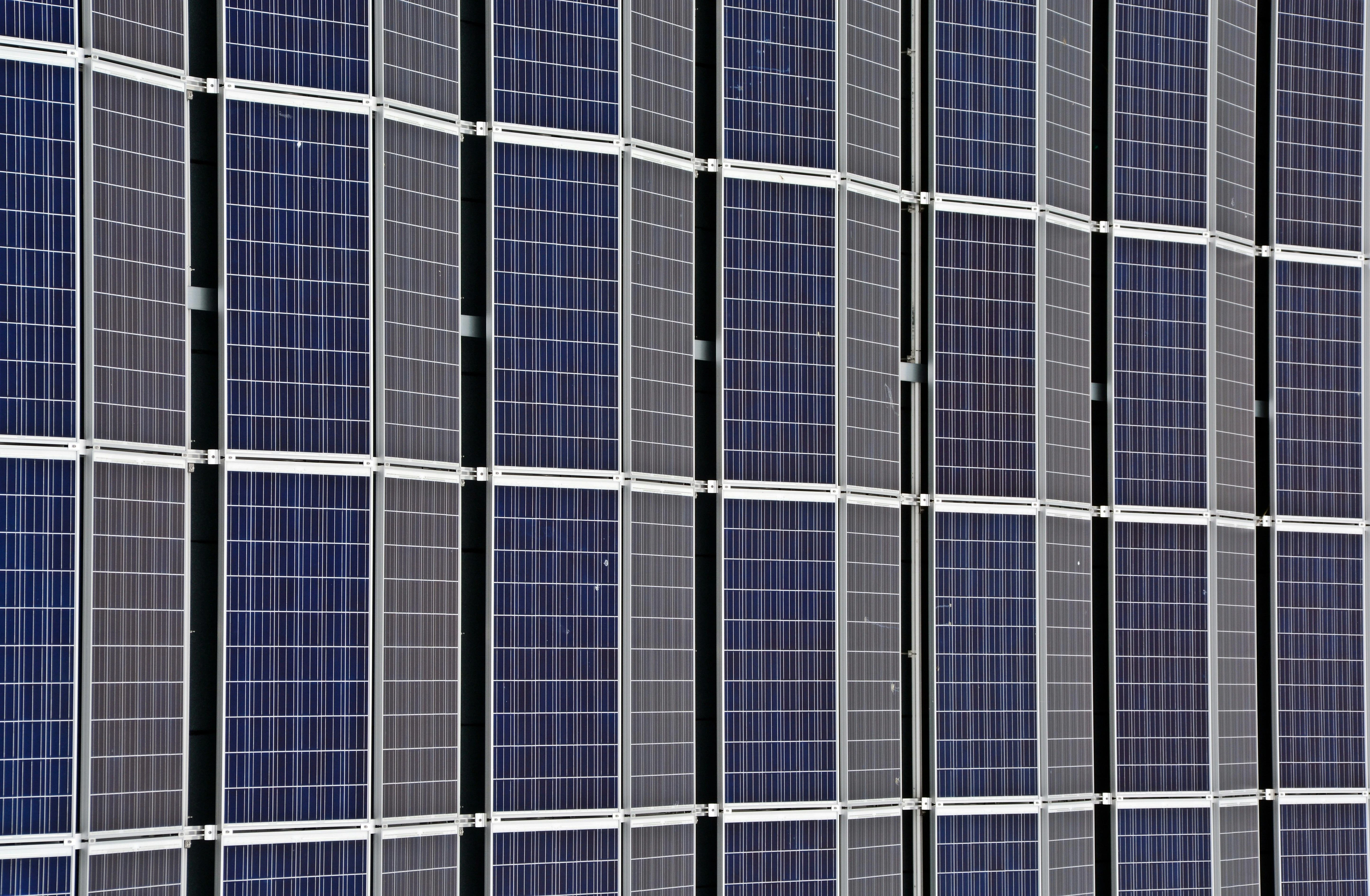
A 6.6kW solar system—the most common residential size in Australia—costs $4,500-$6,000 installed after the federal STC rebate, with the national average around $5,800 in 2025. This price includes panels, inverter, racking, installation, and grid connection by Clean Energy Council-accredited installers. The system generates 19-30 kWh daily depending on location, orientation, and shading—Sydney and Brisbane averaging 24-28 kWh, Melbourne 20-24 kWh, Hobart 18-22 kWh. Over a year, this translates to 8,000-9,500 kWh of production, closely matching the average Australian household consumption of 8,200 kWh annually. The catch is timing mismatch: solar generates during daylight hours when many homes use minimal power, exporting excess to the grid at feed-in tariffs of 5-10c/kWh, then importing expensive grid power at night at 25-35c/kWh. Self-consumption rate—the percentage of solar generation used directly rather than exported—determines financial returns.
Payback periods for solar alone (without batteries) range from 5-6 years for households with reasonable daytime usage (50% self-consumption), based on Solar Choice and CHOICE analysis using 2025 electricity pricing. High daytime users (working from home, running pool pumps, using heat pump hot water with solar timers) achieve 3-4 year payback through 70-80% self-consumption. Low daytime users exporting 75% of generation see 7-8 year payback. But these figures assume fixed electricity prices—unlikely given historical trends. Energy Council data shows Victorian electricity rates increased from ~25c/kWh in 2020 to 29.2c/kWh in 2025, with gas prices rising even faster. If electricity prices increase 3% annually (below recent averages), the value of your solar offset increases proportionally, compressing payback periods by 1-2 years.
Solar provides greatest benefit to all-electric homes because electric appliances create more opportunities for daytime self-consumption. A gas-heated home might use 15 kWh of electricity on a winter day—5 kWh overnight, 5 kWh morning/evening, 5 kWh midday—exporting 20+ kWh of solar generation. An all-electric home might use 25-30 kWh daily—10 kWh overnight, 10 kWh morning/evening, 10-15 kWh midday—exporting only 10-15 kWh. The extra 5-10 kWh of self-consumption saves $1.25-$3.50 daily at 25-35c/kWh rates, adding $450-$1,275 to annual savings and reducing payback by 1-2 years. Run your heat pump hot water system on a timer from 10am-2pm during solar production, and you eliminate the largest single electric load from evening grid consumption, saving another $150-$200 annually.
State rebates significantly alter upfront costs. Solar Victoria offers $1,400 rebates for solar panel installations (household income \u003c$210,000), plus interest-free loans matching the rebate value. This drops the effective upfront cost of a $5,800 system to $4,400 with no immediate out-of-pocket if you take the loan. NSW, South Australia, and Queensland offer various programs—check current eligibility through your state's energy authority as programs change regularly. The federal STC rebate (Small-scale Technology Certificates) already factored into the $4,500-$6,000 prices provides roughly $1,000-$1,200 for a 6.6kW system in most Australian zones, and installers typically handle the paperwork by applying STCs as a point-of-sale discount. This rebate steps down annually until the program ends in 2030, creating mild urgency for 2025-2026 installations before the discount reduces further.
Makao note: Solar system quality variation is substantial but poorly visible to consumers. Budget systems using Jinko or Trina panels with string inverters cost $4,500-$5,200 and work reliably for most installations. Premium systems using SunPower or REC panels with Enphase microinverters cost $6,500-$8,500, delivering 5-10% more generation, better shade tolerance, 25-year warranties versus 12-15 years, and panel-level monitoring. For most households, mid-tier systems around $5,200-$6,200 using quality Tier 1 panels (Canadian Solar, Longi, JA Solar) and reputable inverters (Fronius, SMA, Sungrow) offer the best value. Pay attention to installer quality over brand names—poor installation ruins good equipment, while competent installation maximizes budget equipment. Verify installers hold Clean Energy Council accreditation, check reviews on independent sites, and get at least three quotes comparing like-for-like specifications.
Batteries add $11,000-$15,500 for popular models (Tesla Powerwall 13.5 kWh, BYD Battery-Box, Sungrow), but the economics have shifted dramatically in 2025. The new federal battery rebate program (effective July 2025) provides approximately $345 per usable kWh of battery capacity, reducing a 10 kWh battery system from $12,000-$14,000 to $8,500-$10,000 installed. Western Australia and NSW offer additional state rebates—WA provides up to $3,800 for systems connecting to Virtual Power Plants, NSW offers VPP incentives up to $1,500. Combined rebates can reduce battery costs by $4,000-$5,000, compressing payback periods from 10+ years to 7-8 years nationally, or 5-6 years in high-electricity-cost states like South Australia.
Battery payback depends on overnight electricity consumption and daytime solar generation. Solar Choice modeling for a 10 kWh battery with typical overnight usage of 7 kWh shows annual savings of $800-$1,200 depending on state electricity pricing, producing 7-10 year payback at $8,500 installed cost post-rebate. Adelaide achieves shortest payback at 6-7 years due to high electricity costs (33c/kWh). Hobart shows longest payback at 12+ years with cheap electricity (26c/kWh) and generous feed-in tariffs (10c/kWh). The threshold for financial viability sits around 8-9 years—if payback exceeds the 10-year typical warranty period, you're relying on the battery lasting beyond warranty for positive returns. Many do, but there's no guarantee.
For most homeowners electrifying older homes in 2025, the optimal sequence is: install solar first, monitor your usage patterns for 6-12 months, then add a battery if your evening/overnight consumption justifies it. Solar provides reliable financial returns; batteries provide energy independence and grid resilience but require careful analysis to ensure economic return. If blackout resilience matters—you have medical equipment requiring continuous power, you live in an area with frequent outages, or you value independence from grid disruptions—batteries justify their cost on utility value beyond pure financial return. If you're optimizing for dollars alone, run the numbers with your actual usage data before committing.
When you shouldn't electrify your home
Electrification delivers environmental benefits and long-term cost savings for most Australian homes, but a smaller set of circumstances makes it financially questionable, technically infeasible, or strategically premature. Acknowledging these constraints honestly prevents expensive mistakes and allows homeowners to make decisions aligned with their actual situations rather than idealized versions of their homes.
Heritage properties present the most common physical constraint. If your home sits within a Heritage Overlay (Clause 43.01 in Victoria, similar controls in NSW and other states), external modifications including heat pump installations may require planning permits, heritage consultant reports, and council approval—processes adding 8-16 weeks and $1,500-$5,000 in application and consultant fees. Heritage Victoria typically requires that external equipment be placed away from street-facing facades, use colors matching existing materials, minimize visual impact, and preserve significant sightlines. Split system air conditioning units mounted on prominent walls may be prohibited entirely. Ducted systems with concealed internal units and carefully sited outdoor compressors often receive approval, but expect design modifications adding 20-50% to installation costs. If your property is listed on the Victorian Heritage Register (not just local overlays), requirements become more stringent still. Some heritage properties cannot accommodate heat pumps without compromising heritage values, making electrification infeasible regardless of budget.
Acoustic requirements affect all properties but constrain high-density urban homes most severely. NCC sound insulation standards require impact sound insulation ≤62 dB for residential buildings, and local councils enforce noise limits at property boundaries, typically 45-50 dB daytime, 40-45 dB nighttime. Premium heat pump units operate at 37-40 dB from five meters, easily meeting these standards. Budget units can exceed 55 dB, causing neighbor complaints and council enforcement actions requiring expensive remediation or equipment replacement. In apartments and townhouses with shared walls, body corporate approval often requires acoustic reports demonstrating compliance, adding $800-$1,500 to the project. If your outdoor compressor must be sited within three meters of a neighbor's bedroom window on a narrow side boundary, achieving acceptable acoustic performance may be impossible without expensive acoustic screening ($2,000-$5,000) or abandoning external heat pump installation entirely.
Rental properties create split incentives that undermine electrification economics. Landlords bear the upfront capital cost of equipment upgrades but tenants receive the ongoing bill savings, creating a disincentive for landlords to invest beyond mandatory compliance. Conversely, tenants have no incentive to optimize equipment (maintain filters, use efficient temperature settings, time heat pump hot water to solar hours) because they don't own the asset. This misalignment results in underinvestment in rental stock. If you're a tenant, portable solutions provide your best path—portable induction cooktops ($29-$199), portable reverse-cycle units if your lease permits, and using off-peak electricity tariffs where available. If you're a landlord, focus on upgrades providing tenant attraction value (split system air conditioning in living areas) and mandatory compliance (RCD protection by March 2023 in Victorian rentals), while accepting that comprehensive electrification won't deliver optimal returns in rental contexts.
Short ownership horizons make questionable economics of any upgrade with 5+ year payback. If you plan to sell within three years, a $14,000 ducted heat pump upgrade might increase property value by $5,000-$8,000 while delivering $1,200 in bill savings over three years—a net loss of $4,800-$7,800. Real estate agents report that modern heating/cooling systems add value, but rarely dollar-for-dollar recovery of installation costs. The exception is replacing failed or obsolete equipment—upgrading from a 20-year-old gas ducted heater to reverse-cycle does increase property value noticeably. But if your existing systems function adequately, electrification upgrades make sense only if you'll occupy the home long enough to recover costs through bill savings.
Age and circumstance matter for major retrofits. Sustainability Victoria's comprehensive retrofit trial showed wall insulation payback at 29.8 years. A 75-year-old homeowner investing $13,000 in whole-home thermal improvements with 20-year payback is making a family legacy decision, not a personal financial return decision. This doesn't make it wrong—many people value leaving improved homes to their children, contributing to emissions reduction, or maximizing comfort in their remaining years. But it does make it different from a 40-year-old homeowner who will personally benefit from 15-25 years of reduced bills. Be honest about your timeline and motivations. If comfort and environmental impact justify the investment regardless of financial payback, proceed. If you need financial return within your expected occupancy period, calculate payback honestly and adjust your plans if the numbers don't work.
Finally, some homes should delay electrification until equipment reaches end-of-life. A five-year-old 5-star gas hot water system with ten years of expected service life remaining should not be replaced early for electrification unless it's part of a whole-home gas disconnection where the eliminated supply charge ($350/year) makes early replacement economic. The embedded energy and materials in the existing appliance, plus the financial waste of disposing of functional equipment, argues for waiting until end-of-life replacement. Use the interim period to install solar PV, upgrade insulation, replace windows, and prepare electrical infrastructure so that when the gas hot water system fails, you're ready for immediate conversion without emergency decision-making.
Sequencing your electrification project
The order in which you electrify systems matters substantially because each component affects the viability and sizing of subsequent components. Incorrect sequencing creates inefficiency, drives unnecessary costs, and occasionally requires undoing earlier work to accommodate later additions. This section provides decision frameworks for staging electrification across 1-5 year timelines based on your starting conditions.
Priority One: Electrical infrastructure and thermal envelope.
These form the foundation. Before installing any major electric appliances, upgrade your switchboard to 100A minimum if you're currently on 60A service ($1,500-$3,000), and assess your building envelope. If you have minimal insulation, substantial air leakage, or single-pane windows in cold climates, thermal improvements should precede heating system upgrades. Installing a $14,000 ducted heat pump in a poorly insulated home wastes money—you'll achieve comfort, but efficiency will be degraded, running costs higher than necessary, and equipment oversized to compensate for heat loss. Draught sealing ($300-$1,000 DIY, $1,000-$2,000 professional) delivers fastest payback at 6-7 years and immediate comfort improvements. Ceiling insulation top-up ($1,500-$2,000) pays back in 3-6 years in cold climates. Wall insulation ($4,000-$6,000) pays back slowly (25-30 years) but dramatically improves comfort and reduces system sizing requirements. Do thermal work first if your home is obviously deficient; skip it if you already have adequate insulation (R4.0+ ceiling, R2.0+ walls in climate zones requiring winter heating).
Priority Two: Solar PV.
Install solar early in your electrification sequence, ideally before transitioning appliances, because solar improves the economics of every subsequent electric appliance. A 6.6kW system costs $4,500-$6,000 after rebates, pays back in 5-6 years, and immediately begins reducing grid electricity costs while generating data about your consumption patterns. Monitor your solar production and home consumption for 6-12 months using your inverter's monitoring app. This data reveals your self-consumption rate, identifies times of day with excess solar generation (optimal for running heat pump hot water), and quantifies your overnight grid consumption (sizing batteries). Solar-first sequencing also means you're not transitioning appliances to electric while paying full grid rates—you're transitioning appliances to electric while partly offsetting consumption with solar generation, improving the financial case for each appliance upgrade.
Priority Three: Hot water electrification.
Replace gas or electric hot water with heat pump systems next because hot water electrification requires no behavior change, operates invisibly after installation, delivers substantial bill savings ($235-$540/year vs gas), and qualifies for generous rebates reducing upfront costs to $1,500-$3,500 in Victoria. If you have solar, install a timer running the heat pump during midday solar generation hours (10am-2pm), maximizing self-consumption and minimizing grid usage. This single appliance transition eliminates 15-25% of your total gas consumption, and if hot water is your last gas appliance, makes disconnection economically viable. Total project time: 1 day for installation, 0 days disruption to your life.
Priority Four: Heating and cooling.
Upgrade space heating after solar and hot water because heating represents the largest appliance cost ($12,000-$20,000 for ducted systems) and the longest disruption (2-3 days installation if ductwork changes required). By this stage, your electrical infrastructure is adequate, your solar is offsetting daytime consumption, and your hot water is electric. Size the heating system based on your home's actual heating load (assessed by qualified HVAC professionals using AS3000 load calculations), not cooling load, because Australian homes heating requirements typically exceed cooling requirements, and undersized systems deliver poor comfort in winter. If your existing gas ducted heating has functional ductwork in good condition, conversion to reverse-cycle is straightforward and costs less than new ducted installation from scratch. If you have no existing ductwork, consider whether multi-split systems serving primary living areas and bedrooms deliver better value than whole-home ducted—many households find they rarely heat all rooms simultaneously, making zoned multi-split more efficient than ducted systems that heat unused spaces.
Priority Five: Cooking and gas disconnection.
Convert cooking last because it's the smallest gas load (typically 3-5% of household gas consumption), requires the least compelling economic case, and often faces the most psychological resistance. By leaving cooking until last, you've eliminated 95%+ of your gas usage, making the disconnection economics attractive—you're now paying $350-$400 annually in supply charges to run a gas cooktop costing $50-$100/year to operate. The supply charge makes the cooking conversion economic despite modest running cost savings. Once cooking converts, immediately request gas service disconnection (not account closure), eliminating supply charges permanently. Total disconnection process: 2-4 weeks from request to completion, costing $58-$220 in Victoria depending on disconnection type selected.
Alternative sequence for failing equipment:
If a major appliance fails unexpectedly, convert that appliance immediately rather than replacing like-for-like. A failed gas hot water system should be replaced with a heat pump even if you're early in your electrification sequence. A failed gas heater should be replaced with reverse-cycle even if you haven't installed solar yet. Appliance failure creates a forcing function eliminating the psychological barrier of early replacement, and the incremental cost of converting to electric versus replacing with equivalent gas is often modest. This opportunistic approach works well for households uncomfortable committing to a comprehensive electrification plan—convert systems as they fail over 5-10 years, eventually achieving full electrification through organic replacement rather than planned transition.
Budget-constrained sequencing:
If capital is limited, prioritize solar ($4,500-$6,000) and hot water ($2,000-$3,500 post-rebate) first, combining for $6,500-$9,500 total investment delivering $600-$900 annual savings and 7-11 year payback. This establishes positive cash flow, and the annual savings can be redirected toward subsequent upgrades. Delay heating conversion until your gas ducted heater fails (avoiding premature equipment replacement), delay cooking conversion indefinitely if you prefer gas cooking, and skip batteries entirely unless blackout resilience justifies the premium. This patient approach extends your electrification timeline to 5-10 years but avoids large upfront capital outlay and debt financing.
The meter on the wall, revisited
Three years after that October morning when David Chen opened his gas bill and started questioning the system, the meter is gone. Not capped, not disconnected—physically removed, leaving only a rectangular ghost on the brick where it hung for twelve years. The hot water runs on a Sanden heat pump timed to midday solar generation. The house stays warm through a Mitsubishi ducted reverse-cycle system that replaced the old gas furnace. The kitchen runs on a Bosch induction cooktop that boils water in under three minutes and stays clean because spills don't bake onto the glass. The switchboard carries a 100A service where a 60A panel used to sit. And on the roof, 6.6kW of solar panels generate 23 kWh daily, roughly matching the house's total consumption.
David's winter electricity bill now runs $465 for the quarter where gas alone used to cost $420, with electricity adding another $430—so $850 for dual-fuel down to $465 all-electric, saving $385 quarterly or $1,540 annually. Add the eliminated $365 gas supply charge, and total savings reach $1,905 per year. The upfront investment was $27,800: solar $5,600, heat pump hot water $2,800 post-rebates, ducted heating $14,500, induction cooktop $1,200 installed, switchboard upgrade $2,100, gas disconnection $220, miscellaneous electrical $1,380. At $1,905 annual savings, payback occurs in 14.6 years—longer than many projections, but within the 15-20 year lifespan of the major equipment. After payback, the $1,905 annual savings becomes pure return.
But David's experience suggests the financial calculation misses dimensions harder to quantify. The house stays consistently comfortable in ways the old gas heating never managed—the reverse-cycle system zones independently, allowing living areas to stay at 20°C while bedrooms cool to 18°C overnight, and the response time from cold start to comfort takes six minutes instead of twenty. The kitchen air stays cleaner without gas combustion products, and the induction cooktop's speed changed cooking patterns in subtle ways—pasta water boils before prep work finishes, so he starts chopping before turning on the heat. The solar monitoring app shows daily generation curves, and there's unexpected satisfaction in watching morning generation climb from 0.5kW at 7am to 4.8kW by noon, knowing most of that energy runs the house instead of flowing back to the grid at 6c/kWh.
The transition wasn't seamless. The switchboard upgrade required two days without power, scheduled carefully around work commitments and planned as an inadvertent excuse to eat out. The ducted heating installation took three days with installers crawling through the roof cavity in January heat, cutting ceiling access panels, threading ducts, and leaving fine dust settled over everything despite drop cloths. The heat pump hot water system installation required coordinating a plumber (gas disconnection), an electrician (new circuit), and the heat pump installer (equipment installation), spread across two weeks of scheduling conflicts. The induction cooktop triggered the replacement of two pots and a frying pan that turned out to be aluminum underneath their steel-look coating. Each component worked individually, but synchronizing the whole system—setting timers, configuring zones, optimizing solar self-consumption—took weeks of adjustment and several calls to installers for clarification.
Two unexpected complications emerged.
First, the solar inverter couldn't communicate with the heat pump hot water timer controller without a third-party integration device ($280), and the documentation for setting this up was written for electrical engineers, not homeowners. An electrician spent ninety minutes configuring it, billing at $145/hour. Second, the reverse-cycle system's "intelligent" temperature control battled with the solar optimization goal of running appliances during peak generation—the system wanted to heat efficiently (cycling on and off based on indoor temperature), while David wanted to heat during solar hours regardless of temperature, requiring manual override through a process not explained in the manual. These aren't failures of the technology. These are integration challenges that emerge when coordinating multiple systems designed independently.
Would this path work for others?
Yes, with the caveat that it's not a simple swap but a multi-year process requiring capital, patience, coordination, and tolerance for temporary disruption. The financial return depends heavily on starting conditions. Homes replacing failed equipment at end-of-life achieve better economics than homes replacing functional appliances early. Homes with good solar aspect and high daytime electricity usage achieve faster payback than homes shaded by trees or absent during peak generation hours. Homes in cold climates with high heating loads save more than homes in mild climates where heating represents a smaller proportion of energy use. Homes with access to multiple state rebates (Victoria, NSW, WA) achieve lower upfront costs than homes in states with minimal incentives.
But the question isn't just whether electrification saves money. The question is whether it makes your home more comfortable, more resilient, more aligned with where energy systems are heading, and less dependent on fuel sources facing long-term price and supply uncertainty. David's gas meter is gone. His bills are lower. His house is warmer in winter and cooler in summer. His kitchen is cleaner. His solar panels generate power silently whether he's thinking about them or not. And when the grid fails during summer storms—which it did twice last year—his house has backup power capacity he didn't have before. Not comprehensive off-grid independence, but enough to run essentials for 24-48 hours without drama.
The transition from gas to electric isn't a single decision but a series of connected choices spread across years, shaped by equipment lifespans, budget availability, and changing incentives.
Do it thoughtfully.
Do it sequentially.
Do it strategically.
Size everything properly, maintain realistic expectations about payback periods, and recognise that you're optimizing for 15-20 year outcomes, not quarterly returns. The meter on the wall told a story of old assumptions about energy and comfort. Its absence tells a different story—one that makes more sense in 2025 and will make even more sense in 2035 when the grid runs on 95% renewable electricity and gas prices have climbed higher still.
Start with assessment. Calculate your loads. Upgrade your switchboard if needed. Install solar. Replace appliances as they fail or when economics justify early replacement. And work toward a home that runs on electricity generated from wind and sun rather than fossil fuels piped underground. The transition is possible, practical, and increasingly economical. The question is not whether Australian homes will electrify, but when, and whether you'll do it strategically or reactively when equipment fails at the worst possible moment.
Before we sign out
Product recommendations disclaimer: Equipment models, specifications, and availability were current as of October 2025 but change regularly as manufacturers update product lines. Costs are indicative ranges from multiple sources and vary by location, installer, and specific site requirements. Government rebate programs have eligibility requirements, funding limits, and sunset dates—verify current program details through official state and federal websites before making purchasing decisions. All financial projections assume current energy pricing and typical usage patterns; individual results will vary based on home characteristics, occupancy patterns, climate zone, and electricity tariff structure. Consult licensed professionals—electricians, HVAC technicians, energy auditors—for site-specific assessments and recommendations before committing to major expenditures. This guide provides general information and frameworks for decision-making but cannot substitute for professional advice tailored to your specific circumstances.